
Frequently Asked Questions
What is occupational therapy?
Occupational therapy is a healthcare profession that helps people of all ages participate in meaningful daily activities (occupations) by improving skills, adapting environments, or using tools to overcome challenges from injury, disability, or illness, enabling greater independence and quality of life in self-care, work, school, and leisure. OTs use therapeutic activities to develop motor skills, improve cognitive function, and address mental or emotional challenges, making life more manageable and fulfilling.
Who are “at-promise youth”?
At-promise youth is a term to describe young people that face significant obstacles but have potential to success regardless of any adversity they face.
What is positive youth development (PYD)?
PYD is a strength’s based approach that focuses on helping young people to build skills, knowledge, and assets to become healthy and successful adults. Rather that focusing on problems, PYD promotes positive outcomes by focusing on their strengths and providing supportive environments/relationships to promote five key components: competence, confidence, character, connection, and caring.
What is occupational justice?
Occupational justice is the right of every individual to be able to meet basic needs and to have equal opportunities and life chances to reach toward their potential.
(Wilcock & Townsend, 2009)
What are protective and compensatory experiences (PACEs)?
A PACEs are categorized into two domains: (1) supportive relationships and (2) enriching resources. Supportive relationships include unconditional love from a caregiver, having a best friend, volunteering in the community, being part of a group, and having a mentor. Positive parenting, social support, and belongingness have been found to facilitate the development of children's empathy, self‐regulation and social skills. The second domain, enriching resources, include living in a safe home where needs are met, getting a quality education, having a hobby, being physically active, and having rules and routines.
What are ACEs?
Adverse Childhood Experiences (ACEs) are potentially traumatic events that occur in childhood. ACEs can include violence, abuse, and growing up in a family with mental health or substance use problems. Toxic stress from ACEs can change brain development and affect how the body responds to stress. ACEs are linked to chronic health problems, mental illness, and substance misuse in adulthood.
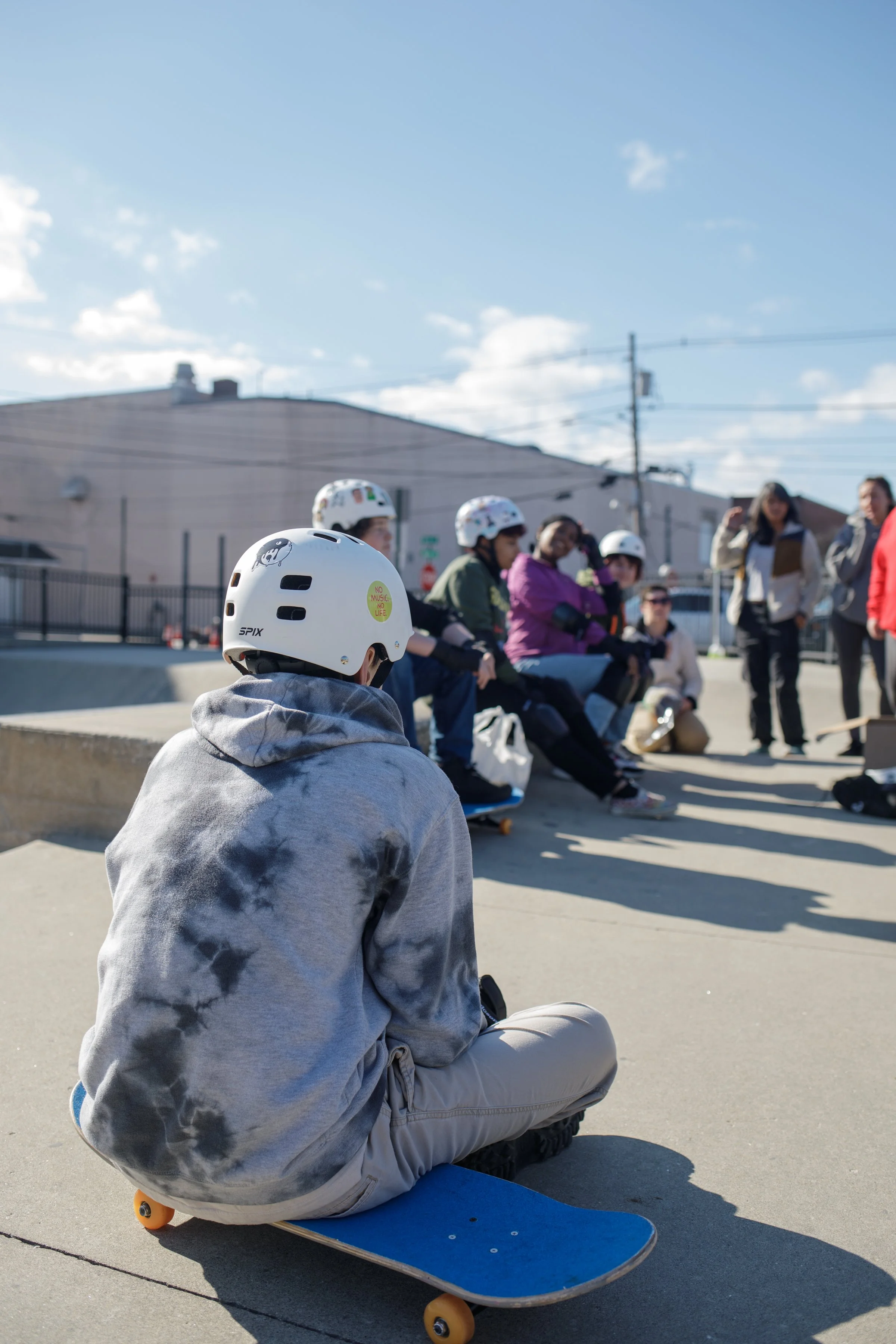
Why is skateboarding more accessible than most other sports?
Skateboarding is inexpensive, individualized, and less structured, all making for an accessible health-promoting activity that adolescents can engage in to reduce risk behavior and improve healthy growth and development