

Methodology
Methodology
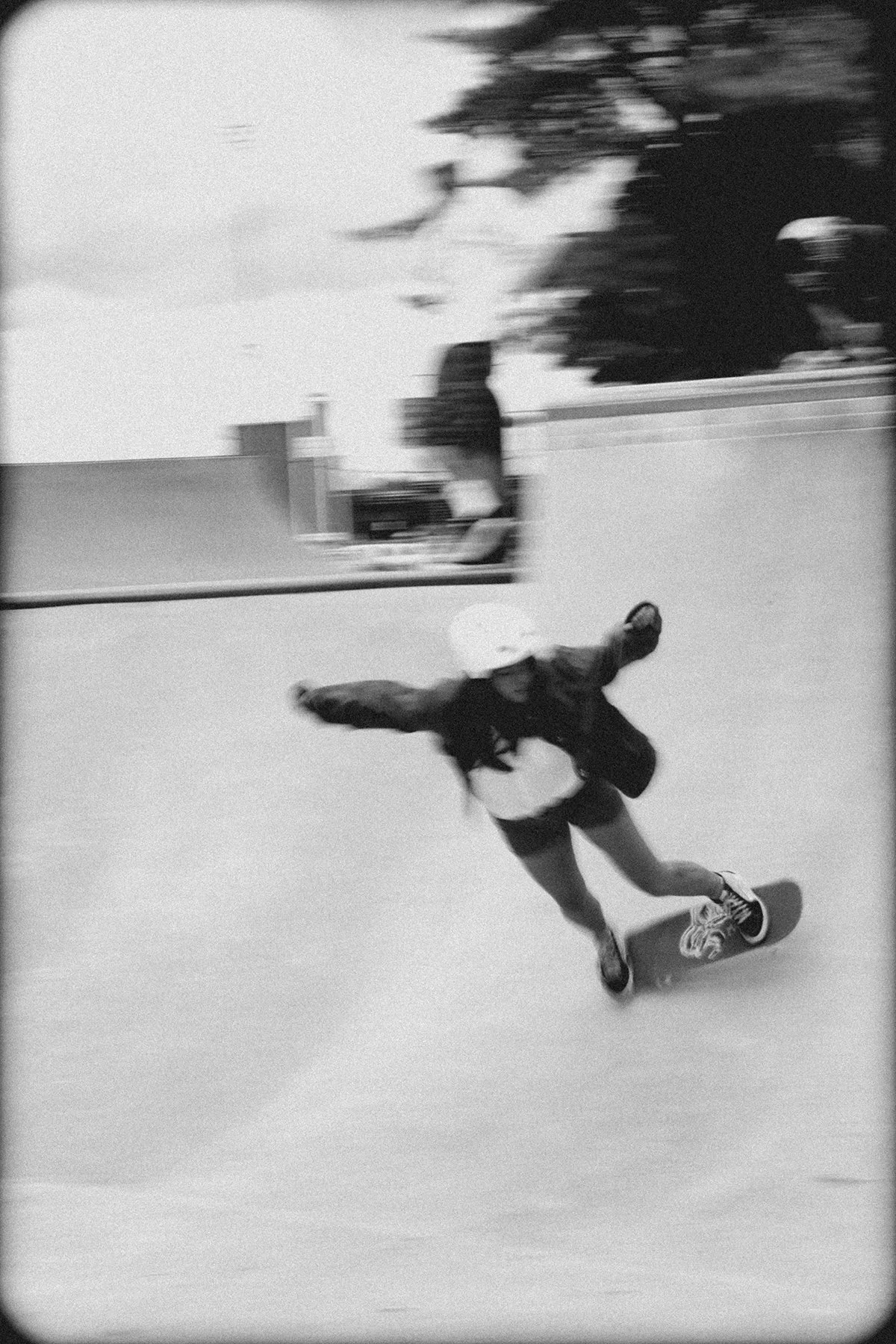
Skate to Relate is an occupational therapist-led program that uses skateboarding, art, and mentorship as positive and protective experiences to counteract the negative effects of adversity in youth.
Here’s the research behind our work.
1.Adversity is common and compounding.
1.Adversity is common and compounding.
Most adolescents have faced or will face hardship in their lives.
Adverse childhood experiences (ACEs) — like abuse, family instability, substance use, mental illness, discrimination, and exposure to violence — are common.
3 out of 4 adolescents have experienced at least one ACE in their life, and 1 out of 5 adolescents have experienced 4 or more ACEs in their life. Female, BIPOC, immigrant, and LGBTQ+ youth are at higher risk of ACEs.
Sports build resilience and identity, but organized sports have barriers.
2.Sports help, but access isn’t equal.
2.Sports help, but access isn’t equal.
Research shows that sports bring positive outcomes beyond just fitness; things like improved self-esteem, social interaction, positive subjective perceptions of health, and fewer depressive symptoms all correlate with athletic participation.
But organized sports have barriers to entry. Cost, social clicks, time commitment, after-school transportation, academic requirements, and hyper-organization can all prevent youth from getting involved.
3.Skateboarding has fewer barriers.
It’s free. There are no skill or time requirements to stay on the team. It’s self-paced, with no rigid structure.
3.Skateboarding has fewer barriers.
Skateboarding is known for its low barriers to entry and can be more attainable for youth populations often left out of structured sports. Skate parks are also becoming increasingly common in urban areas, which have been coined a ‘therapeutic landscape’
4.Skateboarding with mentorship builds resilience and identity.
4.Skateboarding with mentorship builds resilience and identity.
Skateboarding, by nature, involves falling. Skating in community teaches you to get back up and try again.
Skate to Relate embraces perseverance, helps kids adapt to setbacks, and builds a resilient mindset. We build this community by pairing participants with experienced skateboarders who serve as mentors in an environment alongside peers, where guidance, peer support, and positive role modeling are everywhere.
5.The evidence backs it up.
5.The evidence backs it up.
This isn’t just a hypothesis. Studies show that it works.
Studies show that structured skateboarding programs for youth can decrease deviance, protect against gang recruitment and community violence, increase physical and emotional health, and improve life skills.
They can also foster a sense of connection with community, help establish new and reconnecting friendships, aid in gaining peer respect and status, and increase opportunities to interact with others and gain community recognition and acceptance.
See some of the research.
Skateboarding is attractive because it is not constrained by rules found in traditional sports.
Findings of benefits from a youth skateboarding program in South Africa.
Social health benefits from skateboarding.
Walker, 2014 ->